
acf domain was triggered too early. This is usually an indicator for some code in the plugin or theme running too early. Translations should be loaded at the init action or later. Please see Debugging in WordPress for more information. (This message was added in version 6.7.0.) in /home/ribdngto/dy.octadesign.ro/wp-includes/functions.php on line 6131complianz-gdpr domain was triggered too early. This is usually an indicator for some code in the plugin or theme running too early. Translations should be loaded at the init action or later. Please see Debugging in WordPress for more information. (This message was added in version 6.7.0.) in /home/ribdngto/dy.octadesign.ro/wp-includes/functions.php on line 6131woocommerce domain was triggered too early. This is usually an indicator for some code in the plugin or theme running too early. Translations should be loaded at the init action or later. Please see Debugging in WordPress for more information. (This message was added in version 6.7.0.) in /home/ribdngto/dy.octadesign.ro/wp-includes/functions.php on line 6131wordpress-seo domain was triggered too early. This is usually an indicator for some code in the plugin or theme running too early. Translations should be loaded at the init action or later. Please see Debugging in WordPress for more information. (This message was added in version 6.7.0.) in /home/ribdngto/dy.octadesign.ro/wp-includes/functions.php on line 6131
Conveyor belts are a fundamental component of modern manufacturing, logistics, and various industries. These simple yet ingenious devices are designed to transport materials and goods efficiently over short or long distances. At their core, conveyor belts consist of a continuous loop of material—commonly made from rubber, fabric, or metal—that rotates around a series of pulleys. This simple mechanism allows for the automatic movement of items, greatly reducing the need for manual labor and increasing productivity.
The concept of the conveyor belt dates back to the late 19th century. Early designs were rudimentary, typically consisting of leather and hand-cranked systems. However, with the advent of the Industrial Revolution and advancements in materials science, conveyor belts quickly evolved. In 1905, the first steel belt was invented, which significantly increased durability and load capacity. By the 1920s, conveyor belts were integral to the mass production processes in factories, most notably in Henry Ford’s automobile assembly lines.
Today, there are numerous types of conveyor belts, each tailored to specific tasks and environments. Flat belts are the most common, used to transport items in a horizontal or inclined direction. Modular belts, made of interlocking plastic pieces, are highly customizable and used in environments where flexibility and hygiene are crucial, such as food processing. Roller conveyors, consisting of a series of rollers, are ideal for transporting heavy or bulky items. There are also specialized conveyor belts for mining, aerospace, and chemical industries, each designed to withstand unique challenges like high temperatures, abrasive materials, or corrosive substances.
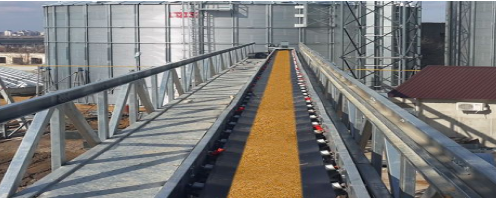
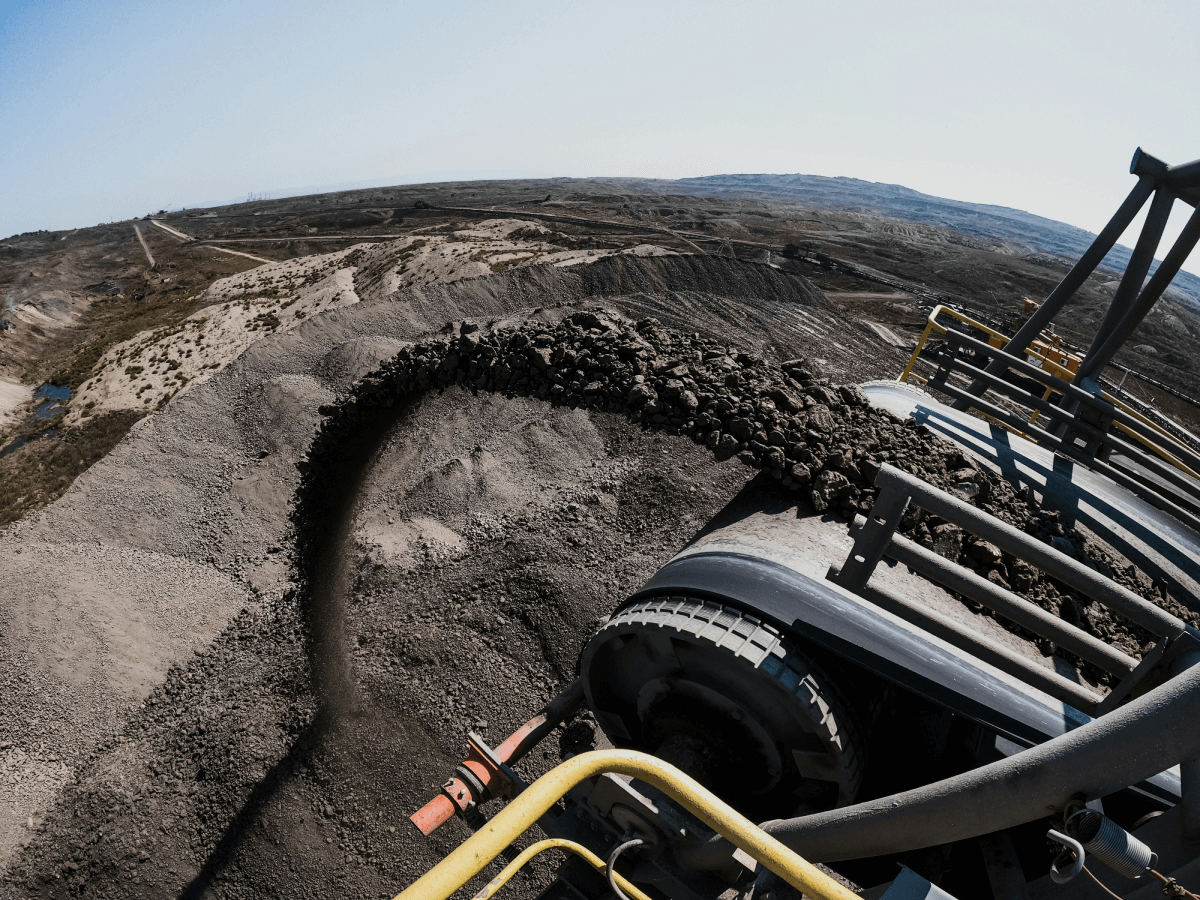
Conveyor belts are found in countless applications worldwide. They are essential in manufacturing plants, warehouses, airports, and even on farms. In airports, for example, they are used in baggage handling systems to efficiently transport luggage from check-in counters to aircraft loading areas. In mining, conveyor belts transport raw materials over long distances, reducing the need for trucks and enhancing safety and efficiency.
The benefits of conveyor belts are numerous. They significantly reduce the physical strain on workers by eliminating the need for heavy lifting and manual transportation of goods. This automation leads to faster processing times and greater operational efficiency. Conveyor belts also improve workplace safety by minimizing the risk of accidents associated with manual handling.
As industries continue to evolve, so too will conveyor belt technology. Innovations such as smart conveyor systems equipped with sensors and automation technology are already in use, allowing for real-time tracking and optimization of goods movement. Furthermore, advancements in materials and design will likely lead to more durable, energy-efficient conveyor belts, capable of handling an even wider range of tasks.
In conclusion, conveyor belts are a critical component of modern industrial and logistical operations. Their ability to move materials efficiently, safely, and cost-effectively has made them indispensable in various sectors, from manufacturing to mining. As technology advances, conveyor belts will continue to adapt, providing even greater value to industries worldwide.
La Dynamic Industry, suntem un furnizor de top de componente și subansamble industriale, precum și de sisteme complete, adaptate cerințelor specifice ale clienților noștri